
T
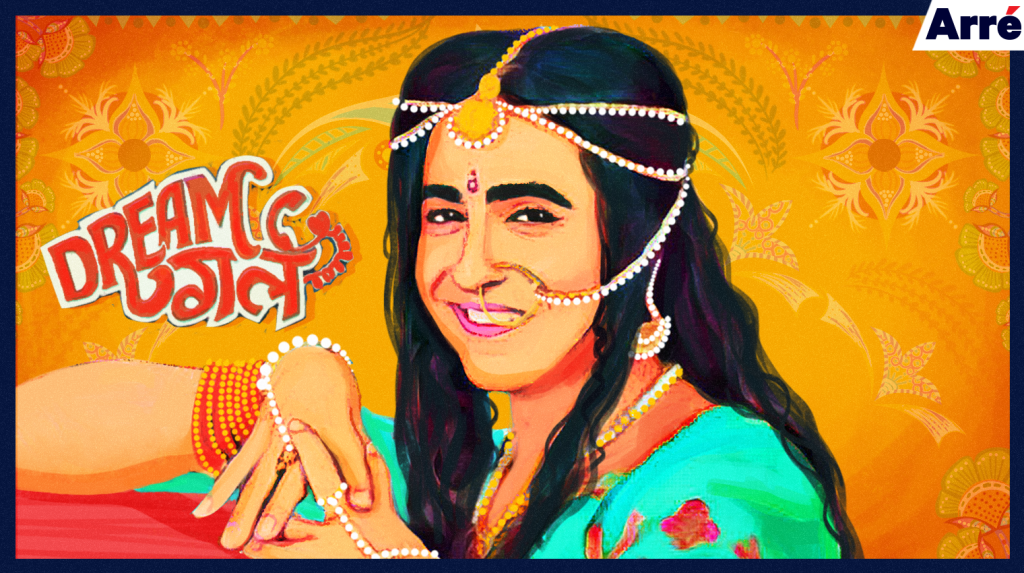
here’s a scene in the otherwise disappointing Dream Girl where Karam (Ayushmann Khurrana), the film’s lead, along with his best friend Smiley (Manjot Singh), observes his long-widowed father (Annu Kapoor) sleeping alone in the hall. They marvel at his ability to have lived without companionship for most of his life, not resorting to the comforts of technology, even. It is a fleeting moment of tenderness in a slapdash movie that otherwise reduces loneliness to a gimmicky afterthought. In the film, the loneliness of men emerges as a site of great anxiety that is sublimated through comedy. Set in Mathura, Dream Girl is about Karam – a young man, so desperate for a job that he pretends to be a phone sex operator called Pooja – becoming the titular “dream girl” for men in and out of his life. Given that it is a heteronormative Bollywood film that cannot accommodate sexual interaction between men, emotional release becomes a way of articulating their relationships. But by accepting emotional support as a part of male social dynamics, the film does something new: it registers demands for masculinity to develop emotional literacy. Stock characters from the “Life Cycle of the Indian Male” – the callow oat-sower, the virgin bumpkin, the henpecked husband, the widowed father – make an appearance in Dream Girl.
In Dream Girl, the central romance is so inconsequential that the couple is engaged before the interval, signalling that this is really a film about the men.
Pen Marudhar Entertainment
In Dream Girl, Karam’s womanly voice becomes a mediator, a site of male fantasies about intimacy and homosociality.This yearning for an attentive listener is part of the quest for alleviating loneliness, a desire for being not just seen but paid attention to. Historically, men have unburdened and women have listened. In Dream Girl, emotional availability – coded as feminine – are at a premium, attainable only by running up huge bills on the phone to a shady call centre. The commodification of care and companionship is hardly a new phenomenon. In the era of #MeToo, in which a term like “toxic masculinity” dominates interpersonal dynamics and an acknowledgement of women’s unwaged labour is becoming mainstream, men are increasingly expected to “share the load”. Unintentionally or not, Dream Girl captures this expectation, not least by casting an actor like Khurrana who has made a career out of playing a Bollywood hero comfortable with mocking traditional manhood. For instance, Karam actually feels shame because of the nature of his job, but he too is transformed by it, eventually recognising its importance in the lives of his clients. In the climax, he laments the loss of social bonds and emphasises the role of communication in maintaining these. The speech feels forced, but it drives home a simplistic point that it was unmet emotional needs that drove people to seek out his service. It wasn’t about getting off, it was about being gotten. In the absence of dirty talk, the film frames heart-to-hearts as what the callers crave, something patriarchal culture predominantly denies male relationships. Both Karam’s observations about his father and his climactic declamation about loneliness suggest an acknowledgement of the value of affective labour. In many ways then, the definition of masculinity in Dream Girl feels like an antidote to the brashness of Kabir Singh. Even though it is riddled with problems and is far from being feminist, it is a rare “men-centric” film that tries to confront some of the vexations about modern-day masculinity. Dream Girl is really a film that briefly (and perhaps not too well) imagines men who listen, who empathise with vulnerability, and who must learn to relate to each other in ways that have long been socially assigned to women. In that sense, another interpretation of the “dream” in Dream Girl is that the film is really about imagining a male universe and what men might sound like if they learn to speak at a different pitch.