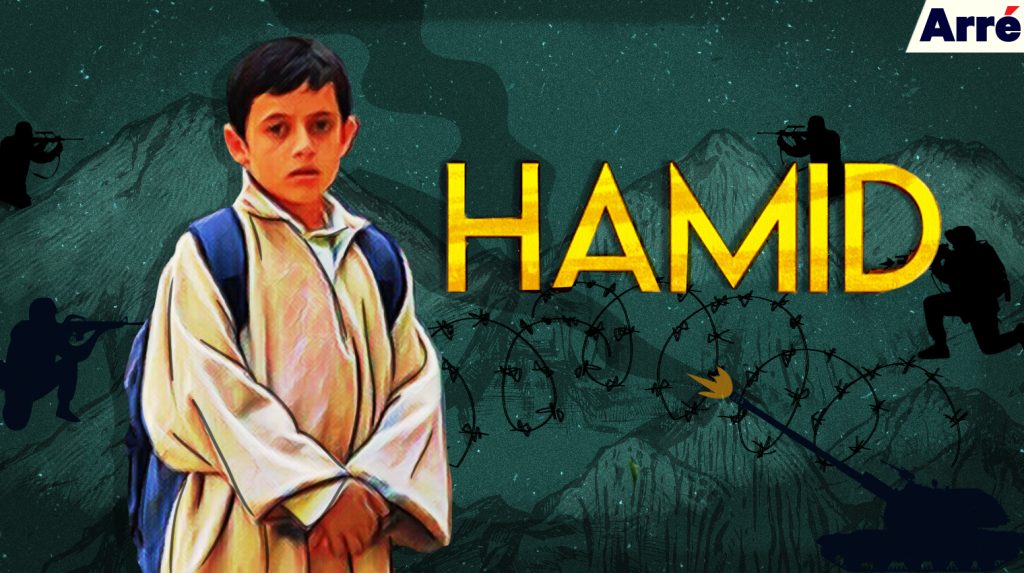

This weekend a small movie with a big subject will have its much-awaited release.
Hamid, which is set in Kashmir, was scheduled for a February 15 release but was wisely pushed after the Pulwama attack. It has come to us now in this post-Pulwama world, where we are fresh off the high of an almost-war, waiting keenly for Pulwama: The Movie to tell us that we won it. I can imagine the abject frustration of this war-hungry moviegoer as he watches Hamid, days after the conflict with Pakistan, when all he wants to do is rocket-bomb the fuck out of the bad guy so that he can stand up and cheer, even if it makes him spill his popcorn. But sadly Pulwama: The Movie will take time. Until then, there’s Hamid. Now Hamid will really piss him off. Instead of the deeply satisfying narrative of the good guy versus the bad guy, there is a gentle tale of a child’s yearning for his missing father. Instead of looking at Kashmir as a land locked in war, it looks at the real, throbbing human beings who are bound together painfully in a region that has long passed its threshold of pain. Hamid is the story of a soulful eight-year-old coming to terms with his father’s disappearance. Hamid holds himself responsible for it. His insistence on a cell phone sends his father into a night from which he never returns. As his mother retreats into her grief, Hamid finds himself alone – with nothing but the cellphone and his faith in a benevolent God who seems to have, for some reason, taken his father. He does what any practical eight-year-old would do: Call God and request for his father’s return.The truth is that boys like young Hamid will probably lose their innocence and turn to violence, trapped as they are in this endless wait for their fathers.This phone call of faith rings in the life of a bitter CRPF jawan, Abhay, a soldier who is fighting this exhausting war under the weight of a dead child on his conscience. Abhay doesn’t know what to do with his anger, except direct it at young stone-pelters who deeply resent the army. A seething, clenching Abhay – essayed by a superlative Vikas Kumar – begins engaging with the child, and their conversations form the narrative thrust of the movie. Hamid is essentially a story of violence but you don’t see it. And yet, you feel its full force because it focuses on a particularly gruesome brand of emotional violence that marks the stories of Kashmir’s “disappeared” men. Even the actual disappearance of Hamid’s father, a gentle boatmaker and poet, comes to us in a soft scene where he is walking into the night as his son watches him from their house. You already know, without a single violent shot that this man is going to a place where he will endure unspeakable things.

There are no bad guys – only good people caught up in a terrible story that is much larger than them and you have no fucking idea who to blame.
Image Credits: Yoodlee Films