
O
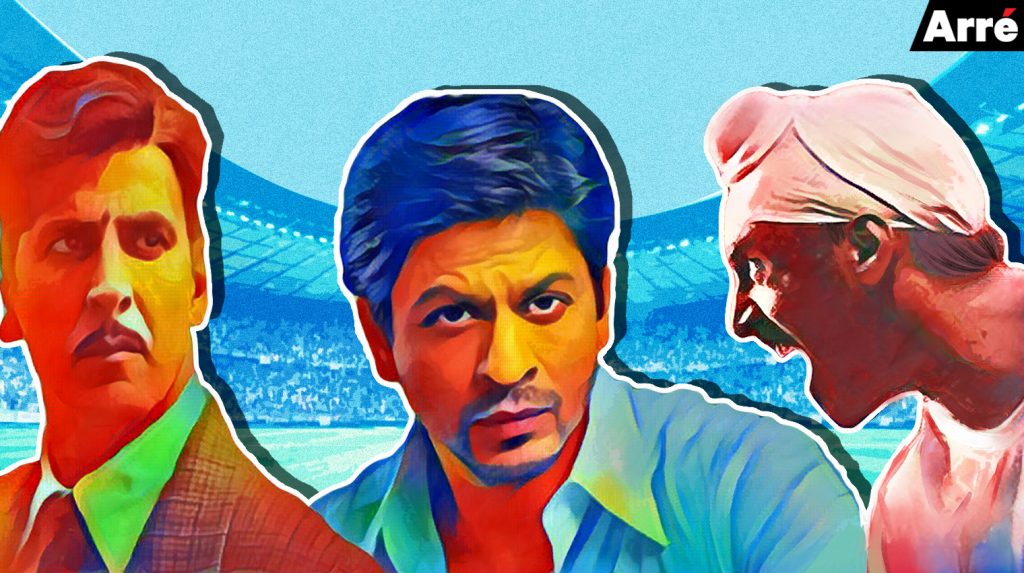
n the night of June 21, as Switzerland’s Xerdan Shaqiri raced toward a stand full of Swiss and Serbian fans, he celebrated his crucial last-minute winning goal in the World Cup game by putting his hands together and forming the double eagle, a sign from the crest of the Kosovan flag. Shaqiri is from Kosovo, a province within the Republic of Serbia that declared independence from the country in 2008, and was relentlessly booed by the Serbian fans in the stands. It’s a delicate situation to play against the country you were formerly a part of. The crest seemed to be the perfect middle finger to his opponents. But one man on the Swiss side was unhappy about the win – Swiss coach of Bosnian-Herzegovinian heritage, Vladimir Petkovic. For over eight years, the political equation has been volatile in the Balkan region, and it found an unnatural outlet on the football pitch. But Petkovic took exception to the gestures and the way it overshadowed the Swiss victory. “You should never mix politics and football,” he was quoted by publications. “It’s good to be a fan and important to show respect… and we should focus on this as a sport that brings people together.” He has a point. Should politics and sport mix? In the case of India and its sports films – including the upcoming Akshay Kumar-starrer Gold the trailer of which released today – it would seem that the answer is, yes. Except, it ought to be no. The Indian sport film really only took off a decade ago with Chak de India’s (2007) invaluable success. If nothing else, it at least motivated some to explore the world of sport further. A film as much about gender as hockey, it found time to fill the placeholder in the Indian sports films’ pantheon. Since then, though, that placeholder has come to read “insert anti-Pakistan narrative here.”Sport is about people, individuals, dreams, struggles and not just the abasement of a political standpoint.There is nothing wrong with inclining your stories around the steep, emotive fall of hating your neighbour country, an exercise we are readily reminded that we must enjoy and encourage. But what it does in effect is undermine, and most crucially betray the essence of sporting accomplishment. That only the defeat of a certain country, regardless of the political status quo, must feel like victory is nearly as farcical an understanding of sport, as perhaps the concussive execution that follows. It points not just to a poverty of imagination, but also empathy and pathos. Films like Bhaag Milkha Bhaag (2013) and the upcoming Sandeep Singh biopic Soorma (2018) seem to be on the same pattern. In films such as these, there’s always room for nationalistic bravura, a hands-to-heart treatment of virtuosity that requires, in reality, much more than a tearful eye at the anthem and a swollen gut for the flag. What films and sports stories, written through the hands of possessive nationalists almost always accomplish, is to take the focus away from the sporting spirit, the measure-for-measure battle for excellence. Should only national victories be worth celebrating, Lionel Messi would not be the player he is known as, tennis would be impossible to enjoy, and English football clubs incredibly hard to support, given that they were our colonial masters not too long ago. But even patriotism morphs according to the landscape.

Image credit: Excel Entertainment