Mumbai is a city of many faces, and it contains hidden multitudes. #MumbaiMirrored is a video series that chronicles Bombay’s evolution into Mumbai, presented by Mumbai Mirror. Here, we delve into the history of perhaps the city’s most recognisable landmark: Nariman Point.
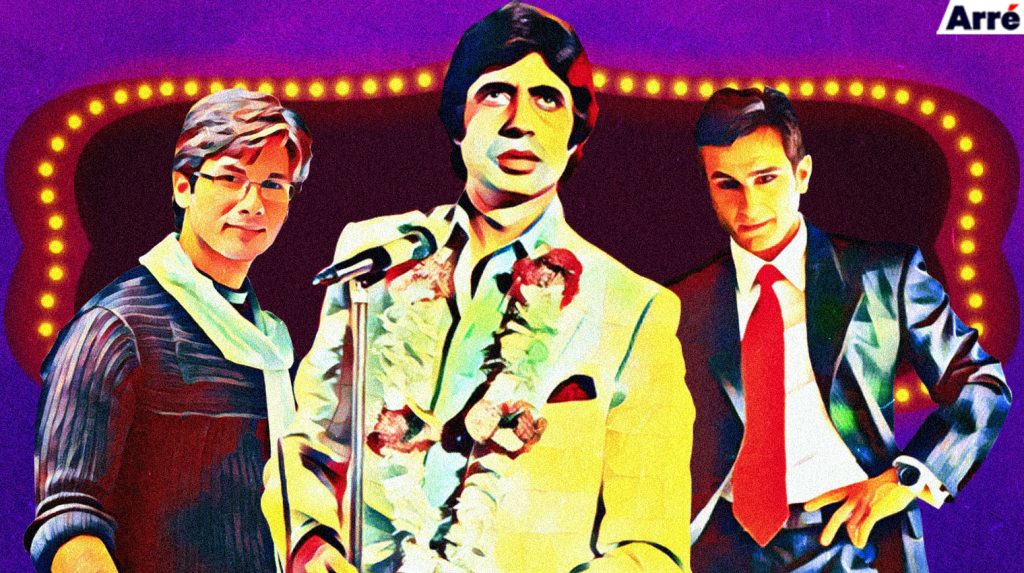
Hindi cinema hasn’t completely disregarded the need for healthy male leads. Toxic protagonists are still seen as rule breakers – as underdogs who can win against the system and evoke sympathy. But a handful of films, like Mujhe Kucch Kehna Hai, October, and even Muqaddar Ka Sikandar have tried to change that.
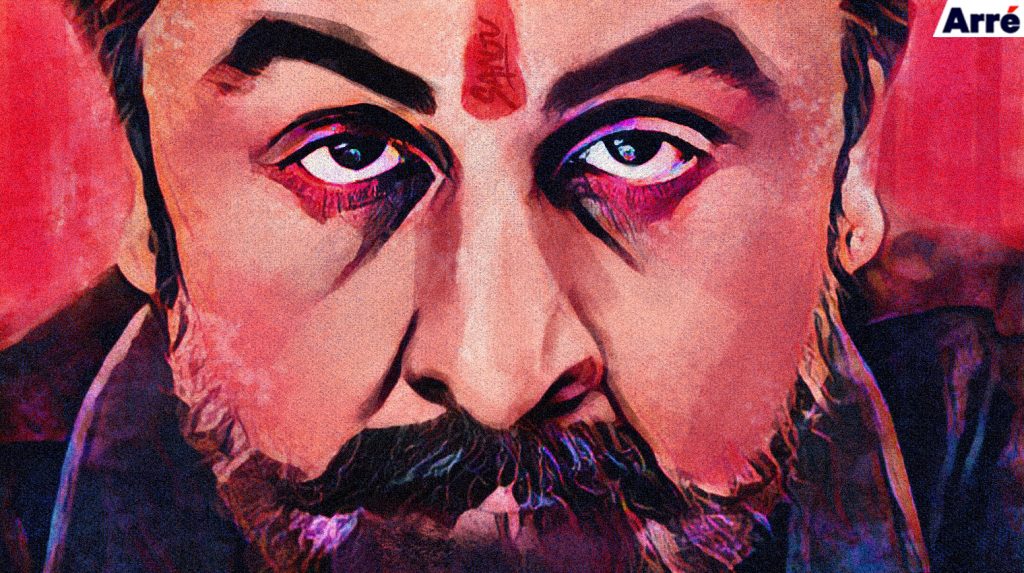
The intense buzz around Sanju begs a fascinating question: Is the film riding on Sanjay Dutt’s cult reputation or on Ranbir Kapoor’s acting prowess? Dutt’s colourful life guarantees that the battle is already half-won, but will it be Kapoor’s physical acting that takes the biopic toward the finish line?
There’s much to appreciate in the simple, sometimes wobbly, but relentlessly large-hearted intentions of this first instalment in Ayan Mukerji’s years-in-the-making saga.
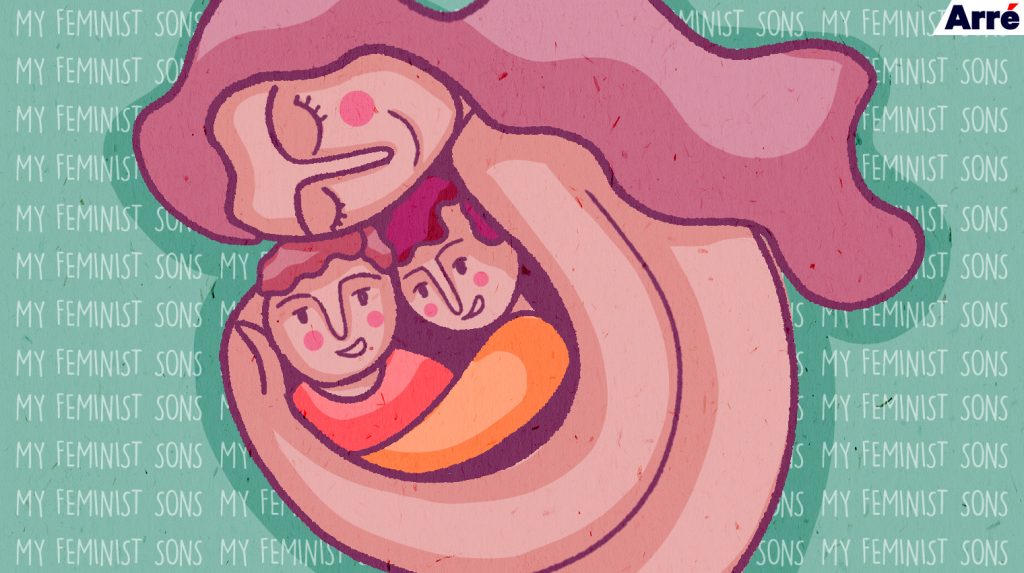
My sons and I love watching Bollywood movies together, but finding a film devoid of misogyny, objectification of women, and innuendo is a task. How do I explain to my kids what is wrong with “6 din, Ladki in” when SRK is mouthing it as if it’s the most chivalrous way to woo a girl in Kal Ho Naa Ho?
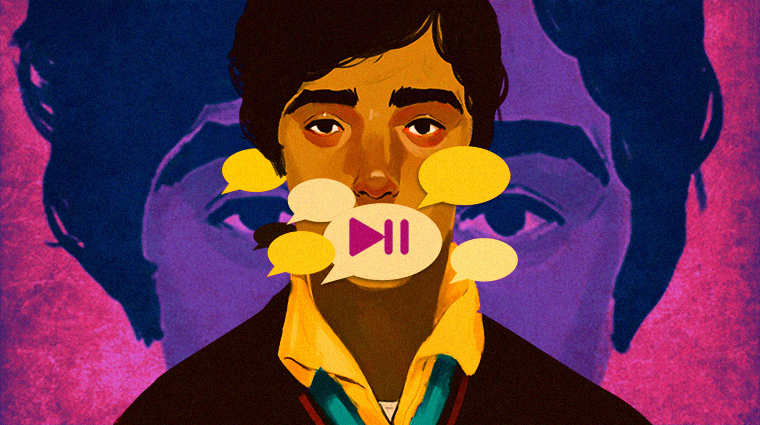
Bollywood has almost always treated a stutter as comic relief. Maybe Jagga Jasoos will do for the speech impediment, what Taare Zameen Par was able to do for dyslexia.