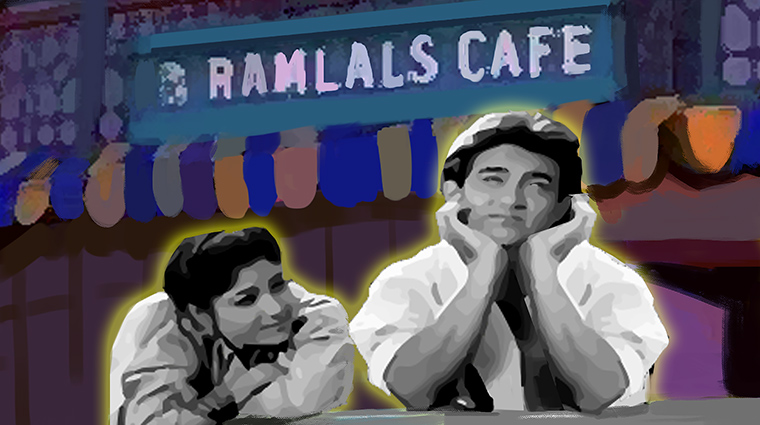
Like many millennials of my generation, I once idolised Kareena Kapoor as Poo in Kabhi Khushi Kabhie Gham... But I have done a lot of growing-up since then.
There was a phase in Indian cinema when our beefy leading men were both, the poster and the song – the hero and the wit. But the sun is setting on the ripped male form. For a cross section of audiences, the sculpted male body is now an object of ridicule.
Back in 1999, when Ram Gopal Varma shot Kaun, a home-invasion horror with a single set, three characters, loose threads and under 15 days, it seemed like he was courting disaster, or worse, boredom. But 20 years later, the film’s experiments with crafting an atmospheric horror is nothing short of revolutionary.
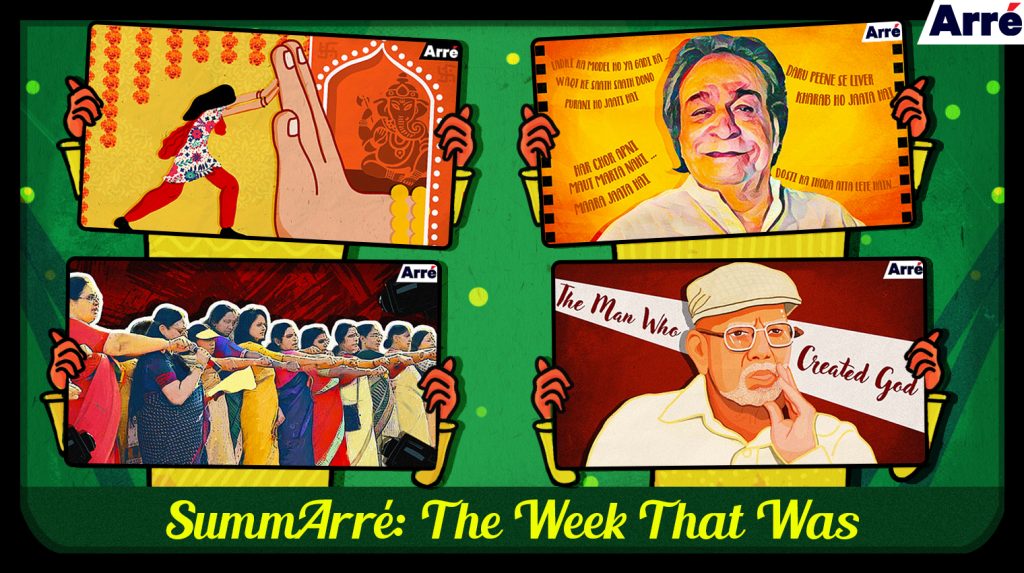
In India, every day presents a new diversion, a new amusement. This week, we discovered the Kauravas were “test-tube babies” in a giant leap backward for science, and Kerala’s “Women’s Wall” protest against the violence at Sabarimala, showed us how to do solidarity.
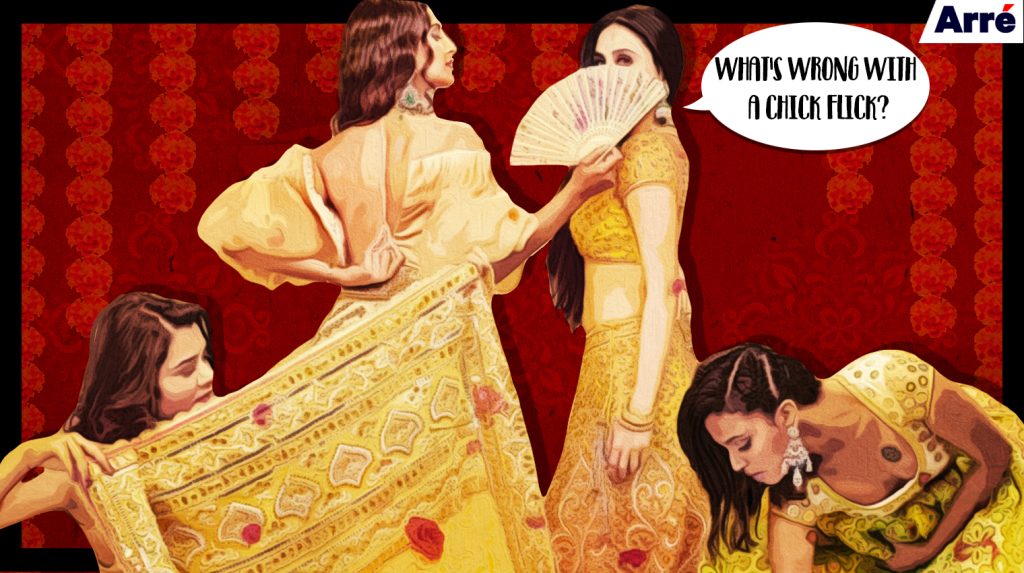
Veere Di Wedding comes with a baffling condition: Its insistence at not being labelled a “chick flick”. It's a film that’s for women, by women and of women. And there’s no better time to offer the world a polished definition of chick flicks, celebrating women and their stories, than now.
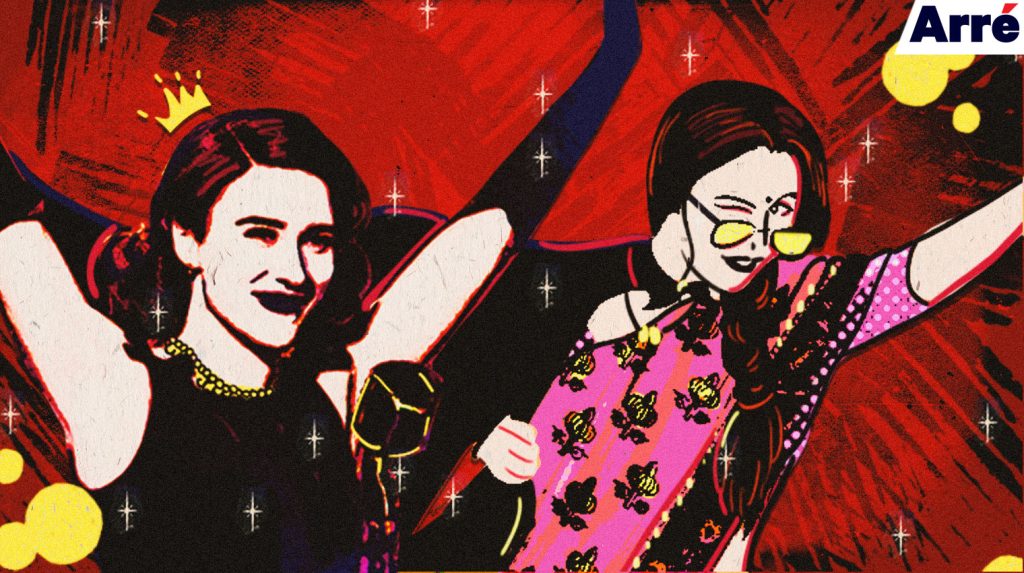
Rose Weissman from The Marvelous Mrs Maisel and humari Sulu are cut from the same cloth as Simi of Andhadhun. This sisterhood of formidable women are giving the world a taste of the wild, wacky, disturbingly dark, and irreverent inner lives of older ladies.
Disguised as a love story, Sandeep Reddy Vanga’s Kabir Singh justifies what Indian men have been trying to normalise since time immemorial: That anger is a man’s birthright. That rage is necessary for a man to exert his dominance over a woman and the world needs to accept it.